 PawAtlas
Vet-reviewed health contentRegion-specific emergency resourcesClear privacy & data controls
Plain strawberries are generally safe for healthy dogs when served in small, manageable portions. The relevant considerations are preparation, total treat intake, and the dog’s age, body condition, medical history, and prescribed diet. Strawberries are an optional treat; they are not necessary for canine nutrition.
A fresh strawberry contains water, fiber, and naturally occurring sugar. It is not considered toxic in the same way as grapes, raisins, onions, garlic, or products containing xylitol. This distinction does not make fruit a substitute for a complete diet. Excessive portions can cause loose stool, gastrointestinal discomfort, unnecessary calories, and reduced interest in regular food.
The first serving should be small, with the rest of the diet kept unchanged so that any reaction can be identified. Veterinary advice is appropriate before adding fruit to the diet of a dog with diabetes, pancreatitis, food allergies, chronic gastrointestinal problems, or a prescription diet. A food being natural does not make it suitable for every animal.
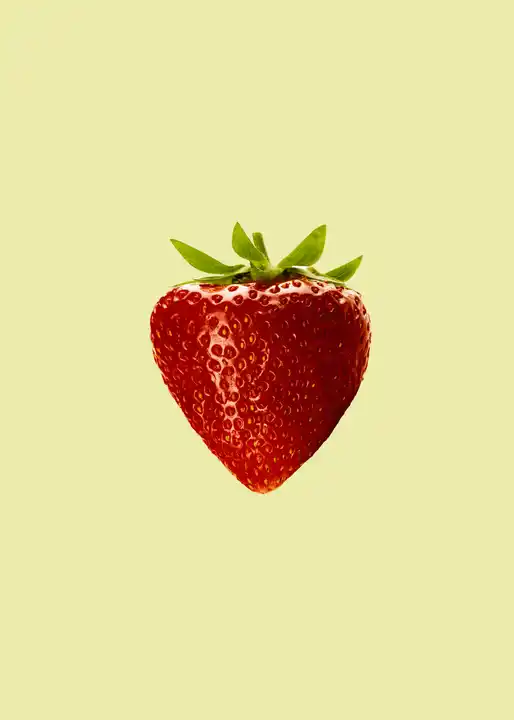
The least complicated option is fresh fruit served plain. Wash the strawberry under running water, remove the leafy top and stem, and cut it into pieces appropriate for the dog’s mouth. A small dog may need one or two very small pieces, while a larger dog may manage several slices. There is no universal number that applies to every dog; fruit should remain a minor part of the day’s total treats.
Strawberries are soft, but they can still be swallowed too quickly. A dog that gulps food can turn a whole berry into a choking risk. Cutting the fruit is especially important for puppies, toy breeds, senior dogs with dental problems, and dogs that tend to inhale anything offered by hand. You do not need to turn the kitchen into a laboratory. A clean knife, a washed berry, and a calm serving routine are enough.
Fresh fruit is usually easier to judge than processed strawberry products. Strawberry yogurt may contain added sugar or sweeteners. Smoothies can contain ingredients that are unsafe for dogs. Jam and syrup are concentrated sugar, and some “sugar-free” products may contain xylitol, which can cause a dangerous drop in blood sugar and potentially severe illness. If you are not sure what is in a product, do not share it.
There is no universal strawberry allowance that fits every dog. A dog’s weight is only one piece of the picture. Activity level, age, current body condition, medical history, and everything else eaten that day also matter. A useful starting point is to count strawberries as treats rather than as a free food.
For a first try, offer a small bite and wait. If there is no vomiting, diarrhea, facial swelling, intense itching, or unusual discomfort, you can offer a slightly larger portion another day. The goal is not to see how much your dog can tolerate. The goal is to find a modest amount that does not disturb the main diet.
If your dog already receives training treats, dental chews, table scraps, or a stuffed food toy, strawberries should fit inside that total. Adding fruit on top of a full treat allowance is how a “healthy snack” quietly becomes a calorie problem. Dogs that need to lose weight may be better served by using a few pieces of their regular food as rewards and keeping fruit occasional.
Choose a plain, ripe strawberry without mold.
Rinse it under running water and remove the leafy top.
Cut it into small pieces suited to your dog’s mouth.
Offer one piece first, preferably when you can observe your dog.
Keep the rest of the day’s treats lighter if your dog has eaten fruit.
Stop if you notice stomach upset or signs of an allergic reaction.
Frozen strawberries can work as a warm-weather treat, but they should be cut before freezing or thawed enough to break apart easily. Do not give a dog a hard, frozen chunk that could be swallowed whole. Some dogs also find cold food uncomfortable, especially if they have sensitive teeth.
You can place a few tiny pieces in a food puzzle, mix them with a complete meal only if the dog tolerates the change, or use them during a short training session. Avoid turning the snack into a performance. If your dog becomes frantic around fruit, the food may be too exciting to use freely.
Puppies can sometimes have a small taste, but their digestive systems and feeding plans deserve extra care. A puppy’s main diet should be complete and appropriate for growth. Frequent extras can unbalance the plan, cause diarrhea, or make it difficult to tell which food caused a reaction.
Puppies are also more likely to chew or swallow objects badly. Cut the berry very small, offer it while the puppy is calm, and watch the entire interaction. Do not use a new food on a day when the puppy is already dealing with vaccination stress, diarrhea, a stressful move, or another diet change. Too many variables make it hard to read what is happening.
Ask your veterinarian before offering strawberries if your dog has diabetes or needs careful carbohydrate management. Strawberries contain less sugar than many processed treats, but they still contribute sugar and calories. The important question is how they fit the individual treatment plan.
Dogs with a history of pancreatitis may need a very controlled diet. Dogs with inflammatory bowel disease, chronic diarrhea, or repeated vomiting may react to changes that seem minor. Dogs on a prescription diet may be eating a formula designed for a specific medical goal, and extra food can interfere with that plan.
If your dog has had a previous reaction to berries or other fruits, do not run a home challenge without veterinary guidance. Itching, hives, facial swelling, repeated vomiting, trouble breathing, weakness, or collapse should be treated as urgent signs. Mild loose stool may pass, but severe or persistent symptoms deserve a professional call rather than a second experiment.
The biggest practical issue is not whether the fruit is allowed. It is whether the way you use it makes daily life easier or harder. A tiny strawberry piece can be a pleasant reward for coming inside, looking at you on a walk, or settling on a mat. It becomes less useful when the dog expects a handful every time a refrigerator door opens.
Use fruit with a clear purpose. Mark the behavior you want, give the small reward, and move on. If the dog refuses regular meals after a fruit-heavy afternoon, reduce the extras. If the dog develops soft stool, remove the new food and return to the normal diet while you observe. A food diary can help when a dog receives many different treats from several family members.
It is also worth checking the emotional side of feeding. People often share food because it feels affectionate. Dogs do not need every expression of affection to be edible. A sniffing game, a short walk, a gentle brushing session, or five minutes of training can provide attention without adding calories.
The safest homemade options are boring in a good way. Fresh strawberry pieces, thawed pieces mixed into a food toy, or a tiny amount mashed into a lick mat are easy to inspect. If you freeze a lick mat, make sure the ingredients are dog-safe and the mat is large enough not to be swallowed.
Avoid chocolate-covered strawberries, whipped cream, sweetened yogurt, dessert sauces, artificial sweeteners, and baked goods made for people. The problem is often the coating, not the berry. A dog that steals a small plain slice is in a different situation from a dog that eats a tray of chocolate-dipped fruit.
If a dog eats an unknown product, save the package or photograph the ingredient list. This gives the veterinarian useful information. Do not induce vomiting or give home remedies unless a professional tells you to do so.
Before sharing a strawberry, ask:
Is it plain and free from sweeteners, chocolate, syrup, and dairy toppings?
Have I washed it and removed the leafy top?
Is the piece small enough for this dog to chew safely?
Does this dog have a medical condition or prescription diet that changes the answer?
Have I already given a lot of treats today?
Can I watch the dog for a while after trying a new food?
If the answer is yes across the board, a small piece is usually a reasonable occasional treat for a healthy dog. If one answer gives you pause, skipping the snack is perfectly fine. There is no nutritional prize for making a dog eat strawberries.
The leaves are not a useful part of the treat. Remove the leafy top and stem before serving. Large amounts of plant material may contribute to stomach upset, and the leaves can be awkward to chew.
Jam is not a good dog treat because it is concentrated sugar and may contain sweeteners or other ingredients. Check for xylitol or other unsafe additives if a dog has eaten any, and contact a veterinarian or animal poison service if the ingredients are uncertain.
They can, especially when a dog eats a large serving, gets fruit suddenly, or already has a sensitive digestive system. Stop the new food, provide access to water, and call the veterinarian if diarrhea is severe, bloody, persistent, or accompanied by weakness or vomiting.
Not automatically. A commercial treat can be useful when it is appropriate for the dog and the portion is controlled. Strawberries are simply one possible low-ingredient option. The best treat is the one that fits the dog’s health needs, training goal, and total daily calories.
Usually not for one small piece of plain fruit in an otherwise healthy dog. Call for guidance if your dog ate a large amount, ate a processed product, has a relevant medical condition, or shows concerning symptoms.
Plain strawberries can fit into the diet of many healthy dogs when they are offered occasionally, in small pieces, and under supervision. The quality and balance of the regular diet remain more important than the inclusion of any single fruit.