 PawAtlas
Vet-reviewed health contentRegion-specific emergency resourcesClear privacy & data controls
A convincing cat drawing begins with the skull, ribcage, pelvis, spine, and posture rather than whiskers or fur. Use simple construction shapes, check the silhouette, then add facial planes, paws, fur direction, and selective shadows. A cautious interpretation is more useful than a confident rule that ignores exceptions.
The relevant question is not only whether something is generally safe or normal, but whether it fits this individual animal and this particular situation.
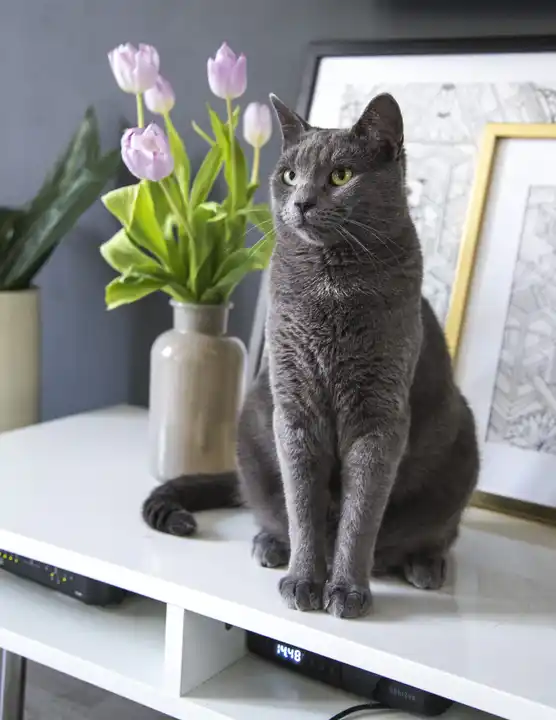
A convincing cat drawing begins with the skull, ribcage, pelvis, spine, and posture rather than whiskers or fur. Common errors include a flat head, straight tube-like limbs, misplaced eyes, and detail added before the underlying volume works. Normal behavior and illness can overlap. Look at the entire sequence and the surrounding environment rather than treating one sound, ingredient, or visual detail as a diagnosis.
Use simple construction shapes, check the silhouette, then add facial planes, paws, fur direction, and selective shadows.
A sensible approach begins with the ordinary case and then checks the details that alter it. A convincing cat drawing begins with the skull, ribcage, pelvis, spine, and posture rather than whiskers or fur. Use simple construction shapes, check the silhouette, then add facial planes, paws, fur direction, and selective shadows. A healthy cat may tolerate an occasional change better than an animal that is young, elderly, overweight, ill, or already receiving treatment. Keep the usual routine stable while assessing a new food, product, sound, or behavior.
When the subject concerns a living animal, the surrounding context should be stated plainly. The same words can point to different intentions, and a direct answer should not invent certainty where the question is ambiguous.
Common errors include a flat head, straight tube-like limbs, misplaced eyes, and detail added before the underlying volume works. Household coordination matters. Record what was offered, when it happened, and what changed afterward; uncertainty about amount or formulation is important information for a veterinarian.
Avoid the common shortcut of assuming that a familiar ingredient, sound, or behavior explains every change. If there is pain, breathing difficulty, repeated vomiting, collapse, suspected toxin exposure, a foreign body, or a sudden major behavior change, professional help should come before further experimentation.
A convincing cat drawing begins with the skull, ribcage, pelvis, spine, and posture rather than whiskers or fur. In a practical assessment, note the timing, amount, duration, trigger, preparation, and what happened afterward. Use simple construction shapes, check the silhouette, then add facial planes, paws, fur direction, and selective shadows. The individual animal matters more than a universal rule. Weight, age, medical history, current medication, appetite, stool, water intake, and activity can all change the practical recommendation.
The purpose of these observations is not to create a home diagnosis. It is to distinguish an isolated, manageable situation from a pattern that needs a veterinary, behavioral, or source-specific review.
A convincing cat drawing begins with the skull, ribcage, pelvis, spine, and posture rather than whiskers or fur. The safest interpretation also includes the limit: common errors include a flat head, straight tube-like limbs, misplaced eyes, and detail added before the underlying volume works.
Use simple construction shapes, check the silhouette, then add facial planes, paws, fur direction, and selective shadows. Start with a small, controlled, or clearly identified next step, keep the rest of the situation stable, and record any change. When risk is uncertain, remove access, preserve the label or take a photograph, and seek professional advice. Human medication and improvised remedies should not be used as substitutes for an assessment.
No. Common errors include a flat head, straight tube-like limbs, misplaced eyes, and detail added before the underlying volume works. The animal's age, size, health, environment, and exposure history may change the recommendation.
A repeated online phrase can make a topic sound simpler than it is. Do not turn an occasional treat into a daily supplement, a warning sound into a personality label, a film premise into scientific evidence, or a single symptom into a diagnosis. Use simple construction shapes, check the silhouette, then add facial planes, paws, fur direction, and selective shadows. Normal behavior and illness can overlap. Look at the entire sequence and the surrounding environment rather than treating one sound, ingredient, or visual detail as a diagnosis.
A convincing cat drawing begins with the skull, ribcage, pelvis, spine, and posture rather than whiskers or fur. Use simple construction shapes, check the silhouette, then add facial planes, paws, fur direction, and selective shadows. The regular diet, preventive care, safe environment, and attention to meaningful changes remain more important than any isolated shortcut. Where the subject involves possible poisoning, medication, obstruction, breathing trouble, serious illness, or an animal that may bite, timely professional advice is the appropriate next step.